Friday, February 12, 2016

FOODS TO KEEP YOU WARM


WARMING WINTER SOUP                                  
Prepare a soup with 4-6 cups coconut milk as its base.
Add 1 onion sautéed and 1 whole garlic bulb, thoroughly washed and root removed
Add 2 leeks soaked and cut into pieces
Bring to the boil, cover slightly, reduce the fire and allow the soup to cook for a few minutes.

Then add 1 cup shredded green, 2 carrots cut into pieces and ½ cup soaked wakame
Bring to the boil and add a combination of spices to taste: Fenugreek, Turmeric, ginger and cayenne, and a few whole cloves for extra flavor. Cover and return to the boil and continue cooking for another 20 minutes.
Add 2 cups of black beans soaked overnight and cooked until tender and 1 cup of soaked quinoa or spelt. Continue cooking for another 15 minutes.
Add some permeating herbs of 2 sprigs of oregano and 2 sprigs of rosemary.
Return to the boil.
Season with a sprinkle of dulse flakes and hemp seeds before serving.  
Make 2-4 servings

WARMING BREAKFAST
PORRIDGE
Ingredients
2 tablespoons soaked quinoa
¼ cup soaked oatmeal
2 tablespoon soaked sunflower seeds
Method
Blend together and bring to the boil in 1½ cup of coconut milk. Add a dash cinnamon and 2 tablespoons raisins and 2 tablespoons chopped walnuts. Add 1-2 tablespoon raw maple syrup or agave. Stir and continue cooking over a low flame until it becomes slightly thick.
Pour into a bowl, sprinkle with an extra dash of ground cinnamon and a table spoon of flaxseeds.
Makes 1-2 servings.


Thursday, February 11, 2016

JAZZ UP YOUR LIFE NOW 
TODAY’S TIPS FOR A HEALTHY HEART AND LOWERING YOUR BLOOD PRESSURE
Shift from salt to Fresh Herbs: Parsley a beneficial substitute for salt, Oregano, Thyme and Rosemary are rich with Antioxidants. They are all heart healthy and aids in the prevention of high blood pressure, stroke and high cholesterol.
Add more Beans to your meals for added Fiber, Magnesium and Antioxidants to boost your heart performance and they are also packed with Folate excellent nutrients for lowering blood pressure.
N.B. For best results soak the beans overnight before cooking.
Add foods rich in Omega Fatty Acids such as Hemp seeds, flax seed for vegans and all others can enjoy delicious wild salmon, tuna, mackerel, anchovies or sardines. Omega fatty acids help to reduce inflammation and strengthen the heart.
Add nuts like Walnuts and Almonds to increase your healthy fats intake. Both are known for their Omega-3 fatty acids, while almonds are praised for their other heart healthy nutrients such as vitamin E as well as fiber.
N.B. Nuts are delicious but should be soaked before eating. Although they are beneficial Almonds are mucus forming and so should be eaten minimum amounts.
Flaxseed oil and Extra Virgin Olive oils are excellent for your heart as the rich antioxidant polyphenols they contain are known for protecting heart.
Green leafy vegetables such as Swiss chard are high in magnesium, potassium and minerals to control high blood pressure and are also rich with vitamin A to support your heart.
Add orange foods such as Carrots and Sweet Potatoes for added fiber, vitamin A and lycopene. They are delicious raw in a salad or baked. Be sure to eat the whole vegetable as the skin has vital nutrients to enhance your health.

Saturday, January 23, 2016

A COLD DAY FOR WARMING FOODS

TODAY'S TIPS OF THE DAY
WARMING FOODS
Chocolate - a cup of hot chocolate with cayenne and cinnamon will keep you feeling warm and toasty.
Whole grains are high in vitamin B and magnesium both support your adrenal glands and your thyroids to function optimally and keep you warm.
Coconut oil has healthy fats which are body warming. It may be used as a body moisturizer after a hot bath or add to any meal.
Garlic and onions are spices that helps to keep you warm.
Fermented foods such as kimchee and rejuvelac oxygenated your digestion and
are warming and nourishing to the body.

Monday, October 19, 2015

Sitting in a mango tree: CAN YOUR FOOD MAKE YOU SICK?

Sitting in a mango tree: CAN YOUR FOOD MAKE YOU SICK?: CHANGE YOUR FOOD CHANGE YOUR LIFE   To many people’s lives are in jeopardy from an unhealthy fast food diet, excessive consumption of al...

Friday, October 16, 2015

CAN YOUR FOOD MAKE YOU SICK?

CHANGE YOUR FOOD CHANGE YOUR LIFE 
To many people’s lives are in jeopardy from an unhealthy fast food diet, excessive consumption of alcohol, pesticides, herbicides, genetically engineered and artificial foods masking as nourishment.

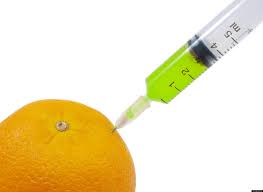
Many of the genetically engineered foods have some form of nonfood ingredients masking as food; such as citric acid, (true citric acid is from the citrus family, lemons, limes, grapefruit, pineapple, etc. However today and in many years past citric acid is not been extracted from lemon or pineapple juice but is prepared by the fermentation of genetically engineered sugar infused with black mold, which was developed in 1917 by a chemist James Currie; Pfizer popular name in manufacturing that we know has been the producer of mold derived citric acid since 1919). Citric acid acts as a preservation that prevents food deterioration and color depletion.


Here is a short list of foods that will most likely be contaminated with added citric acid: Ice cream and sorbets, caramel, sodas, canned and bottle juices, cider, beer and wine, some cheeses, some canned and jarred foods (preserves, canned fruits and vegetables and some sauces), baked goods (breads, cakes, cake mixes, etc.), frozen fish (herring very high on the chain list, shrimp and crab); candy (sweets and chocolates), pre-cut and packaged frozen and canned fruits and vegetables and for me the most disheartening of them all baby food. Is there any wonder so many children are diagnosed with acid reflux disease, skin eruptions, asthma, learning disorders and a slew of other health challenges; because of the decisions made by loving parents who have been duped into thinking the substances they are feeding their babies and children is food. 

Citric acid is a natural component of lemons, limes, oranges, pineapple, tomatoes, gooseberries, redcurrant and some vegetables such as Jerusalem artichoke and even some lettuce. If this is the citric that is added to your food there would be no need for this article; however I am here to share you that the citric acid in your food is most likely produced in a laboratory with artificial ingredients.

Citric acid is in most prepared foods whether frozen, canned, boxed or packaged.You may purchase these foods in an attempt to help save you time and even quite often money. However more often than not these ingredients are designed supposedly to enhance, preserve and some might even say supply the nourishment that your body needs. However it is time to examine this model of food preservation, Health and Wellness and then make the changes necessary to heal your family and bring your body’s wellness to its optimal healthy environment. 

There are many other nonfoods masking as food that are genetically modified and maybe prevalent in your kitchen cupboards; here is a list that through research has been labeled the most popular additives to your food.
Amino Acids - (the building blocks of twenty amino acids used in the processing of proteins in your body and even energy while others are the building blocks of hormones and neurotransmitters. Nine of these are essential amino acids which cannot be reproduced by the body and must be obtained from the foods you eat. 

The nine essential amino acids not produced by the body but must be obtained from foods are: Histidine (essential only in babies may be found in grains such as wheat, rye and rice or dairy products), Isoleucine (egg whites, fish, nuts, peas and seeds), Leucine needed to build strong muscles (whole wheat, egg whites, nuts, beans and brown rice), Lysine (builds the immune system, maintains healthy bones and hormone production. Available in potatoes, yeast, cheeses, fish, milk and eggs); Methionine (supports the body with the elimination of toxins, amino acids available in beans, lentils, onions and garlic); Phenylalanine (helps to lessen the symptoms of depression, found in poultry and pulses such as lentils), Threonine (supports a healthy liver, may be obtained from mushrooms, leafy green vegetables, whole grains); Tryptophan (excellent for relaxation, lowering blood pressure and enhance complete rest found in turkey (which puts you to sleep) however vegetarian sources such as lentils, oats and beans are easily available); and Valine (sources are in egg whites, peanuts). These amino acids must be replenished daily to maintain your essential building blocks.

The remaining eleven are termed nonessential amino acids but are quite necessary for our daily optimal functions and wellness. These are produced in your body; but production may become compromised when you are ill or stressfully challenged.

These nonessential conditional amino acids are: arginine, glutamine, tyrosine, cysteine, glycine, proline, serine and ornithine. The remaining three nonessential amino acids, which are not considered conditional but are also very important nutrients to your wellness, are: alanine, asparagine and aspartate.  

These necessary amino acids are synthesized in adults only and are in every cell in the body. Essential amino acids are generally found in foods such as animal proteins beef, poultry, fish and sea food and also in vegan foods such as quinoa and do I dear say the word soy? However; the amino acids added to prepared foods are most likely made from genetically engineered products. Unfortunately the soy bean a food that is very high in protein comes under this heading, creating another important reason for advocating organically grown foods. An article written by doctors at the University of Maryland School of Medicine states,
However, gluten sensitivity remains undertreated and underrecognized as a contributing factor to psychiatric and neurologic manifestations.

There are quite a few other manipulated nonfoods on the list Aspartame, Ascorbic Acid a synthetically produced vitamin C perhaps made from you guessed it genetically engineered corn or another popular one known as sodium ascorbate also another corn derivative, added to the already popular Citric acid, described above are other flavor enhancers called Sodium Citrate (can be made from lemons, oranges or pineapple) and Ethanol both artificial and natural flavorings; Lactic Acid, Maltodextrins, Molasses (which many of us assume is a product made from sugar cane but is it also being artificially produced), Monosodium Glutamate, Sucrose a sugar derivative mostly in found in children’s vitamins, High Fructose Corn Syrup, Hydrolyzed Vegetable Protein, Textured Vegetable Protein or TVP, Xanthan Gum, many yeast products including nutritional yeast and vitamins

It seems important to interject here, that most of these products can be cheaply produced and therefore are probably cheaper on the store shelves than natural organically produced foods. The University of Maryland in an article states "Side Effects "The Food and Drug Administration regulates production and labeling of genetically engineered foods. Some people have raised concerns that the genes from one food that are inserted into another food may cause an allergic reaction
allergy For instance if peanut genes are in tomatoes, could someone with a peanut allergy react to tomatoes? In January 2001, the FDA's Center for Food Safety and Applied Nutrition proposed that developers of bioengineered foods submit scientific and safety information to the FDA at least 120 days before the food is sold." 

But, I would like you to consider the exorbitant cost you the consumer will pay in the long run. Eventually paying an exorbitant price for the many, many health challenges and diseases you may face, from carcinogens obtained not only in your food but also in your environment. Take a look at the rising cost of medical care, health insurance, hospitalization, the amputation of vital parts of your body, so that you can have some semblance of a life worth living; not to mention the cost of hospices and funerals. And what part do these genetically engineered foods play with our mental health? This has not even been factored in to the equation yet. Who would want to die or become ill prematurely when life can be so sweet?

Today I challenge you to begin making the necessary changes to rejuvenate and enhance your life and that of your family. Read the labels to know what food is made of. My favorite saying is if the name is too long, has too many syllables, or you don’t know the meaning of it, place it back on the shelf until you can investigate what that product is. Stick to whole organic foods, they are exceptionally high with vital nutrients. Add raw fruits and vegetables and soaked seeds, nuts and grains like quinoa. Add fermented foods such as kimchee, raw kraut, rejuvelac, Kombucha, plain yogurt. Add healing spices like cayenne, turmeric, cinnamon and nutmeg all available in medicinal potency at your health food store. Drink a hot cup of tea after each meal to support your digestion.

Hydrate every day. Drink eight to ten glasses of water throughout the day and watch the transformation of your skin as it shifts from dull to glowing. Sweat every day, it is both cleansing and healing and you will probably get a good nights’ rest because of your activity and movement. 

Next this is one of the least talked about recovery modalities we have SLEEP. Resting helps your digestion, rejuvenates your energy, helps your brain to work more efficiently and enhances a slew of supportive aids throughout your day.  
Watch how your body responds to your home environment. Are you happy, sad, angry or just don’t give a damn? Make the changes that you need. Anger and sadness contribute to illness, complacency leaves you stagnant. Do your research, learn about other cultures and learn about holistic wellness. Learn the effectiveness or the burden that modern medicine places on your body.       

 Allow your stomach to rest at least one day per month and at least once a year give yourself of good cleanse drinking raw vegetable juices and smoothies. 

Jazz Up Your Life Now offers seasonal cleansing and detoxification Programs. Our next detox program begins on November 2, 2015 with orientation on October 31, 2015, just in time to prepare for the holiday season. It is a program designed to support you on shifting from summer to winter season and to increase your vitality and most importantly to boost your wellness.
Jazz Fenton
Integrative Nutrition Health and Wellness Coach
https://www.facebook.com/JazzUpYourLifeNow

References:  http://www.ncbi.nlm.nih.gov/pubmed/21877216


Thursday, July 23, 2015

DIABETICS HEALTH AND WELLNESS

DIABETES HEALTH


PREVENT HYPOGLYCEMIA – excess glucose in the blood; frequent levels of hyperglycemia can affect key areas of the body such as: the heart, the kidneys, the nerves and the eyes.
If you are challenged with diabetes here are a few early warnings you will need to pay attention to:
Are you consistently thirsty?
Are you struggling with tiredness, is your vision blurred?
Do you get constant headaches?
Do you need to pass your urine often during the day?
If at any time you miss any or all of these signs you might then be at a point of crisis where these challenges will be recognizable:
Are you experiencing dry mouth?
Do you have abdominal pain or weakness?
Does your breath smell fruity?
 Do you become nauseous?
Are you vomiting?
Or you may even experience shortness of breath or feel confused.
Find the support you need to put yourself back on track. Keep your health practitioner’s contact information handy.
Let your designated advocate know where the nearest hospital is located.
Monitor your blood sugar levels. 

Support yourself with adequate and lifesaving nutrition that is:
(a)             High in organic proteins – for flesh eaters try fresh ocean caught fish – ask your fish monger for mackerel, salmon, bluefish, bass, sardines or tuna. Many of these are also high in omega fatty acids.
(b)           Vegetarians and vegans may use these beans and legumes – lentils, Adzuki beans, split peas high in protein low in carbohydrates.
(c)           Chose skinless chicken breast when ordering poultry.  
(d)           Fill your plate with non-starchy vegetables high in fiber as in dandelion greens and escarole, kale, collard greens, asparagus, cucumbers, bok Choy, zucchini, spaghetti squash, salad greens, green peas and radishes. Cabbage, onions and garlic are especially helpful in the prevention of blood sugar spikes.


(e)            Healthy hydrated whole grains should be key ingredients in your meal plan, such as quinoa, amaranth, bulgur, wild rice, buckwheat, wheat berries. These are packed with vitamins, phytochemicals and of course fiber and minerals. These whole grains have been left in- tact as mother-nature has produced them with their bran, the germ and the endosperm all that is needed for balance, energy and complete nutrition. Grains that are unprocessed are generally lower in glycemic index levels.
(f)             Use herbs such as Aloe Vera which cleanses and nourishes the liver. It also balances sugars and fats in your blood stream. Researchers have found that Aloe Vera juice is a key component in the reduction of blood glucose levels.  

 (g)           And spices such as turmeric used with the Indian fruit known as Alma but more commonly known as Indian gooseberry is very efficient in lowering glucose levels. Your kitchen spices such as Fenugreek and Cinnamon have been researched for their benefits to diabetics so says a study that cinnamon improves the health challenges of type two diabetics by lowering their blood glucose as well as HDL cholesterol as was written in the Diabetes Care journal. Adding fresh curry leaves and ginger have also been reported as effective in lowering blood glucose.

Be sure to hydrate frequently during the course of the day with fresh clean water. Remember that some sodas and fruit juices are packed with sugar and unfortunately high levels of sodium as well and these two will take your already high blood sugar levels to its excess.

Have fruits low in sugar and high in fiber. Fiber is probably one of the best defenses you can employ to support the reduction of blood glucose. It slows your digestion so you will feel full longer, and these will also lower your blood cholesterol. Fiber may reduce the possibility of a stroke as well as it may lower your high blood pressure and reduce the possibility of heart failure.

Consuming legumes such as lentils, split peas, black beans and garbanzo beans are high in fiber and also stimulates the body’s production of insulin.
Add fruits low in sugar and high in fiber and water to help support your daily bowel movements. Daily elimination is a key factor to maintaining a wellness regiment.   
Written by Jazz Fenton, Integrative Nutrition Health and Wellness Coach


Feeding Your Mind, Body and Spirit…www.jazzupyourlifenow.com 

Monday, July 20, 2015

EXCELLENT PROTEIN FOR DIABETICS, VEGANS AND VEGETARIANS TOO

EXCELLENT PROTEIN SOURCE FOR DIABETICS
HEALTHY PROTEIN: ADZUKI BEANS, LENTILS, BLACK EYE PEAS, GARBANZO BEANS. These lean proteins are high in protein, vitamin B's and fiber to keep you feeling full and well satiated.
Soak dried beans and peas overnight, to hydrate, activate enzymes and release unwanted gases. Add them to soups, salads and casseroles. Turn them into a delicious spread for a sandwich or a snack.
These beans are a good source since they are high in protein and low in carbohydrates. 
Add to whole grains such as quinoa, wild rice, rye and wheat berries to obtain maximum protein.
Adzuki beans are super rich in protein a quarter cup of beans has approximately 11 grams of protein, 8 grams of carbohydrates and 0.5 grams of fat, plus the bonus of high fiber 6 grams of protein per each quarter cup serving.
They are a rich source of vitamins such as folate is known for its repairing properties of DNA, and is also at the top of the list for improving cell growth and division. It is also a good source of vitamin B-6 (pyridoxine) which supports red blood cells, nervous system and the immune system. 
Half cup of Adzuki beans with supply a large percentage of your daily vitamins. For example a half cup of Adzuki beans are high in minerals, providing 193 milligrams of phosphorus, which is approximately 18 percent of the Daily Value which supports the healing of damaged cells and helps to restore your energy; 612 milligrams of potassium, 35 percent of the Daily Value. With all that has been said about blood pressure by now every one knows that potassium is the go to in the maintenance of healthy blood pressure; 60 milligrams of magnesium, 30 percent of the Daily Value; our hearts cannot function optimally without the benefits of magnesium; which is also known for building a strong immune system. In just 4 milligrams of zinc, is 27 percent of the Daily Value; plus the added value of 2.3 milligrams of iron, or 13 percent of the Daily Value.  
For a complete heart healthy protein breakfast combine Adzuki beans with your soaked oatmeal. Or try filling your pastries with an Adzuki bean mousse or paste. These beans are known for being king of savory dishes but they are very versatile as they are a terrific change in dessert dishes as well. 
Make a point of adding any or all of the beans in this list to your meal plan this week. Make a hummus with garbanzo beans and black eye peas a truly delicious combination. 
And clip on the link below for a delicious recipe
  https://festivecookingschool.wordpress.com/2015/07/20/adzuki-beans-and-black-eye-peas-hummus/